The digital world is changing fast, and we need more high-quality visuals than ever. AI image creation tools are changing how we make images and videos. They make it easy to turn text into eye-catching visuals.
Text to image ai software lets users create amazing visuals without needing to be designers. These tools make making content easier and open up new chances for marketers, designers, and artists.
Key Takeaways
Discover the top AI tools for converting text into high-quality images and videos.
Learn how AI image creation tools can simplify your content creation process.
Explore the capabilities of text to image AI software in producing engaging visuals.
Understand the benefits of using AI-powered tools for visual content creation.
Find out how these tools can enhance your digital content strategy.
Understanding Text-to-Visual AI Technology
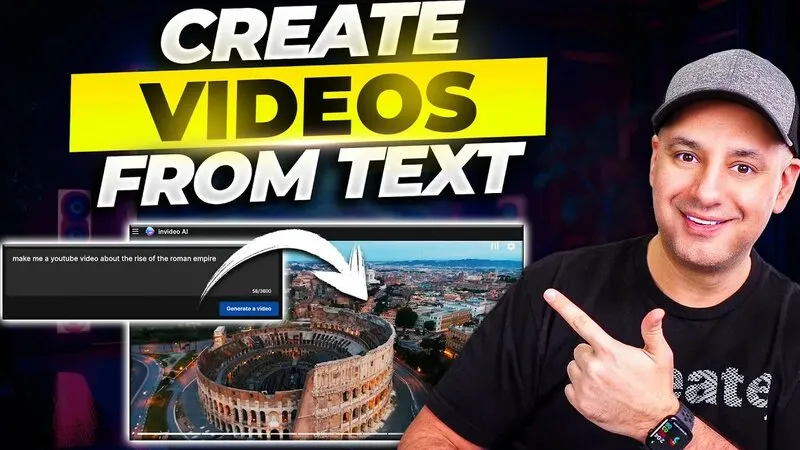
Text-to-visual AI technology has changed how we make visual content. It lets users create high-quality images and videos from text prompts. This is thanks to advanced AI algorithms.
How Text-to-Image AI Works
Text-to-image AI software works by taking text inputs and making images from them. It uses models like Generative Adversarial Networks (GANs). These models learn from huge datasets, understanding text and visuals.
The Evolution of Text-to-Visual Technology
Text-to-visual technology has grown fast, with big steps forward recently. It’s moved from simple text graphics to making realistic images and videos. Now, top AI tools can create very detailed content.
Key Technologies Behind AI Visual Generation
Several key technologies power AI visual generation. Deep learning models and neural networks are key. They help make advanced text to visual AI solutions.
Technology
Description
Application
GANs
Generative Adversarial Networks
Image Generation
Neural Networks
Complex pattern recognition
Video Generation
Deep Learning
Advanced data processing
Text-to-Image Conversion
Knowing these technologies is key to using text-to-visual AI well. As it keeps getting better, we’ll see even more advanced solutions.
Why Use AI Tools for Visual Content Creation
AI tools are changing how we make and use media. They bring big benefits that make content better and faster to make.
Benefits for Content Creators and Marketers
AI tools give big advantages to creators and marketers. They make it easy to make great visuals, even if you’re not a designer. This lets more people join in, bringing new ideas and variety to media.
Time and Resource Efficiency
AI tools save a lot of time and money. Making visuals the old way takes a lot of effort and cost. AI makes it quick and cheap, so you can make more without spending a lot.
Accessibility for Non-Designers
AI tools are great for those who aren’t designers. They let anyone make professional-looking visuals. This means more people can create great content, even if they didn’t think they could before.
Best AI Tools for Turning Text Into High-Quality Images and Videos
There are many AI tools for turning text into visuals. It’s key to know the differences to choose wisely. The world of AI tools for making multimedia is wide, with options for all needs and budgets.
Selection Criteria for Quality Tools
When picking top AI tools for multimedia creation, look at a few things. First, see how well the tool understands text prompts. Then, check the visuals quality and how easy it is to use. Also, think about customization options and how well it works with other software.
Don’t forget about the tool’s learning curve and customer support. A tool that’s hard to use or has poor support can slow you down and make you unhappy.
Pricing Considerations
Pricing matters a lot when picking an AI tool. Prices range from free with basic features to expensive with more advanced ones. Think about the cost versus the quality and value it brings to your work.
Output Quality Comparison
It’s important to compare how different AI tools perform. The table below shows a comparison of some top text-to-image AI tools based on quality, price, and features.
Tool Name
Output Quality
Pricing
Key Features
DALL-E 2
High
$15/115 credits
Advanced prompt understanding, varied styles
Midjourney
High
$10/200 GPU minutes
High-resolution images, community features
Stable Diffusion
High
Open-source, variable costs
Customizable, runs locally or on cloud
By looking at these factors and comparing AI content creation tools, you can choose the best one for your needs. This will help you turn text into top-notch images and videos.
Top Text-to-Image AI Tools
Text-to-image AI tools have changed how we make visual content. They let users create high-quality images from text prompts. This has transformed digital art and content creation.
DALL-E 2
DALL-E 2 is a leading ai image generation tool. It’s known for making realistic and detailed images.
Key Features
Advanced text-to-image synthesis
High-resolution image generation
Ability to manipulate and edit generated images
Pricing
DALL-E 2 has a free tier for limited use. It also offers paid plans for more use.
Best Use Cases
DALL-E 2 is great for creative professionals. Artists, designers, and marketers can use it to create unique visuals.
Midjourney
Midjourney is a well-liked text-to-image ai tool. It’s known for creating artistic and imaginative images.
Key Features
Community-driven platform
High-quality image generation
Customizable styles and parameters
Pricing
Midjourney uses a subscription model. It has different tiers with various access and features.
Best Use Cases
Midjourney is perfect for creating visually striking and creative content. It’s great for social media graphics and digital art.
Stable Diffusion
Stable Diffusion is an open-source ai-powered visual content creation tool. It’s popular for its flexibility and customization options.
Key Features
Open-source and community-driven
Highly customizable
Ability to run locally on user’s hardware
Pricing
Stable Diffusion is free to use. It’s a good choice for those with limited budgets.
Best Use Cases
Stable Diffusion is ideal for developers and researchers. They can experiment and customize text-to-image models.
Leading Text-to-Video AI Platforms
Now, turning text into videos is easier than ever, thanks to advanced AI tools. This section looks at the top platforms changing how we make content.
Runway ML
Runway ML is a top AI tool with creative features like text-to-video. Its smart algorithms make high-quality videos from text.
Key Features
Advanced text-to-video generation
Customizable video styles
Integration with other creative tools
Pricing
Runway ML has plans for everyone, from solo creators to big companies.
Best Use Cases
It’s great for filmmakers, marketers, and teachers who need quick, engaging videos.
Synthesia
Synthesia is known for AI videos, perfect for explainer and corporate videos.
Key Features
AI-generated avatars
Customizable video templates
Multi-language support
Pricing
Synthesia’s prices vary based on your video needs and how many you want.
Best Use Cases
It’s perfect for businesses needing professional videos without needing a lot of video-making skills.
D-ID
D-ID uses AI to make realistic talking head videos from text.
Key Features
Realistic AI-generated avatars
Emotional expression customization
Support for multiple languages
Pricing
D-ID has flexible prices for all kinds of projects, from personal to commercial.
Best Use Cases
D-ID is great for making videos for customers, education, and fun.
Here’s a quick look at what these top platforms offer and their prices:
Platform
Key Features
Pricing
Runway ML
Text-to-video, customizable styles
Various plans
Synthesia
AI avatars, customizable templates
Competitive plans
D-ID
Realistic avatars, emotional expressions
Flexible options
Practical Applications of AI Visual Tools
AI-powered visual tools are changing many industries. AI visual tools help make things more creative, efficient, and cheaper. They work in many areas, showing their flexibility and broad use.
Marketing and Advertising
In marketing and ads, AI tools for multimedia content creation make great visuals and videos. They grab people’s attention. Marketers can make content that speaks to each person, boosting engagement and sales.
Education and Training
Advanced AI tools for image and video production are changing education. They make learning fun and interactive. Schools use these tools to make learning materials that students love, helping them learn better.
Social Media Content Creation
AI visual tools are key in making social media content. They help creators make eye-catching visuals and videos fast. This keeps their online presence strong and keeps followers interested.
Product Visualization
In product visualization, AI-powered visual content creation shows products in a real and attractive way. This is super helpful for online stores. Good product visuals can really help sell more.
Using AI visual tools, businesses and creators can do more and better work. This leads to new ideas and progress in many areas.
Step-by-Step Guide to Creating Images from Text
Creating images from text is now easier with AI tools. These tools make it simple for everyone. To get great results, knowing the steps is key.
Crafting Effective Prompts
The first step is to write good prompts. The quality of the image depends on the prompt. A good prompt is clear, short, and detailed. For example, “a fluffy golden retriever sitting on a green lawn” is better than “a dog.”
Specificity is key for quality images.
Adjusting Parameters for Better Results
AI tools let you change style, color, and texture. Trying different settings can improve the image. For instance, changing the style can make a big difference.
Understanding how these changes affect the image is important for the best result.
Editing and Refining Generated Images
After creating an image, it often needs editing. This can include tweaking brightness, contrast, and saturation. Some tools have editing features, while others need external software.
Refining the image can greatly enhance it.
Common Mistakes to Avoid
There are common mistakes to avoid. These include using too complex prompts, not adjusting settings, and not editing the image. Also, not knowing the AI tool’s limits can lead to poor results.
By avoiding these mistakes, you can create better images.
Step
Description
Tips
Crafting Prompts
Write clear and descriptive prompts
Be specific and concise
Adjusting Parameters
Experiment with style, color, and texture
Understand the tool’s capabilities
Editing
Refine the generated image
Adjust brightness, contrast, and saturation
Mastering Text-to-Video Creation
The art of turning text into video content has been changed by AI tools for multimedia content creation. These tools make it easy to create high-quality videos. They use the power of text-to-image software solutions.
Writing Effective Video Prompts
Creating the right prompt is key for a great video. You need to be clear and detailed. Include what the scene looks like, who’s in it, and the style you want. Effective prompts make videos more accurate and interesting.
Controlling Style and Aesthetics
AI technology for image generation lets you control the video’s look. You can change colors, lighting, and textures. This control helps make videos look amazing.
Adding Music and Sound Effects
AI tools for multimedia content creation also let you add music and sound effects. These can make the video better and more engaging.
Post-Processing Techniques
After making the video, you can refine it with post-processing. This includes editing, color correction, and adding effects. These steps make the video look polished.
Common Challenges and Solutions
AI visual tools have changed how we create content. But, users often face problems that can slow them down. Knowing these issues and how to fix them is key to getting the most out of these tools.
Dealing with Inaccurate Generations
One big problem is getting results that aren’t what you want. This might happen if your prompts are bad or the AI’s training data is limited. To solve this, make sure your prompts are clear and detailed. Also, tweaking the AI’s settings can make the results better.
Overcoming Technical Limitations
Technical issues, like low resolution or compatibility problems, can also be a hurdle. To get around these, try using post-processing techniques to improve the quality of your images or videos. Keeping up with the newest versions of AI tools can also help.
Ethical Considerations and Copyright Issues
Using AI for making content brings up big ethical and copyright questions. It’s important to know the copyright implications of AI-generated content, like when it includes real people or copyrighted stuff. Always follow the law and respect other people’s work.
By tackling these common problems and finding the right solutions, creators can use advanced AI tools more effectively. This way, they can make high-quality content that meets their goals.
Challenge
Solution
Inaccurate Generations
Craft effective prompts, adjust parameters
Technical Limitations
Post-processing techniques, update AI tools
Ethical & Copyright Issues
Understand copyright implications, respect IP rights
Future Trends in AI Visual Content Creation
The future of AI in visual content creation is set to change how we make and watch media. Several key trends are emerging that will shape the industry.
Upcoming Technologies
AI text-to-image tools are getting better and more accessible. These tools are improving in quality and are now easier for non-techies to use.
AI-generated videos are also on the rise. Platforms like Synthesia and D-ID are leading the way. They make creating high-quality videos easier than ever.
Industry Predictions
Experts say the demand for AI-generated visual content will keep growing. This is because people want more engaging and personalized content. As leading AI software for creating images and videos becomes more common, new business models and revenue streams will appear.
Integration with Other Creative Tools
The future of AI in visual content creation also involves working with other creative tools. We’re seeing AI tools blend better with design and video editing software. This makes it easier for creators to use AI in their work.
Trend
Description
Impact
Advancements in AI Text-to-Image Tools
Improved output quality and accessibility
More creators can produce high-quality visual content
Rise of AI-Generated Videos
Increasingly sophisticated video generation capabilities
New opportunities for personalized and engaging video content
Integration with Creative Tools
Seamless integration with design and video editing software
Streamlined workflows for creators
As these trends evolve, AI’s role in visual content creation will grow. By keeping up with these trends, creators and businesses can find new opportunities and stay ahead in a fast-changing world.
Conclusion
AI tools are changing how we make images and videos. Now, anyone can create amazing visuals with tools like ai image creation tool and text to image software. You don’t need to be a pro designer to make stunning images.
These new tools are making work easier and opening up new ways to be creative and market products. They’re helping us make better content faster.
As AI gets better, we’ll see even more amazing tools for making visual content. Using these tools will help us stay ahead in the digital world.
With these advanced technologies, we can do more creative things, work faster, and make content that grabs people’s attention. It’s a great time for businesses and individuals to explore these new possibilities.
FAQ
What are the best AI tools for turning text into high-quality images and videos?
Top AI tools for text-to-visual conversion include DALL-E 2, Midjourney, and Stable Diffusion. Runway ML, Synthesia, and D-ID are also great options. These tools can create stunning visuals from text prompts.
How do text-to-image AI tools work?
These tools use advanced algorithms and machine learning to make images from text. They understand the text, find key ideas, and then create an image that shows what the text means.
What are the benefits of using AI tools for visual content creation?
AI tools make creating visuals faster and easier. They help non-designers make high-quality images. This can save time and money, and improve visual content overall.
Can AI-generated visuals be used for commercial purposes?
Yes, AI visuals can be used for business. But, it’s important to check the tool’s terms of service. Some tools might need you to give credit or follow specific rules for business use.
How can I improve the quality of AI-generated images and videos?
To get better AI visuals, write clear prompts and tweak settings. Use the best text you can and know what the AI can do. This will help you get the best results.
What are the possible uses of AI visual tools?
AI visual tools can be used in many ways. They’re great for marketing, education, social media, and showing off products. They help make engaging visuals for different fields.
Are there any ethical considerations when using AI visual tools?
Yes, using AI visual tools raises ethical questions. You should make sure the content is right, avoid copying others’ work, and be open about AI use. These steps are important for business or public use.